
OnlyFans Device Checks: Why Logins Need a Second Step
If you have ever entered a password on OnlyFans and then been asked for a code, your account met a device check. That extra step is not a bug. It is a security routine that runs when the platform does not recognise the device, browser, or network you are using. This article explains what triggers these checks, how long they take, and how to prepare so a verification prompt never blocks you at a bad moment.
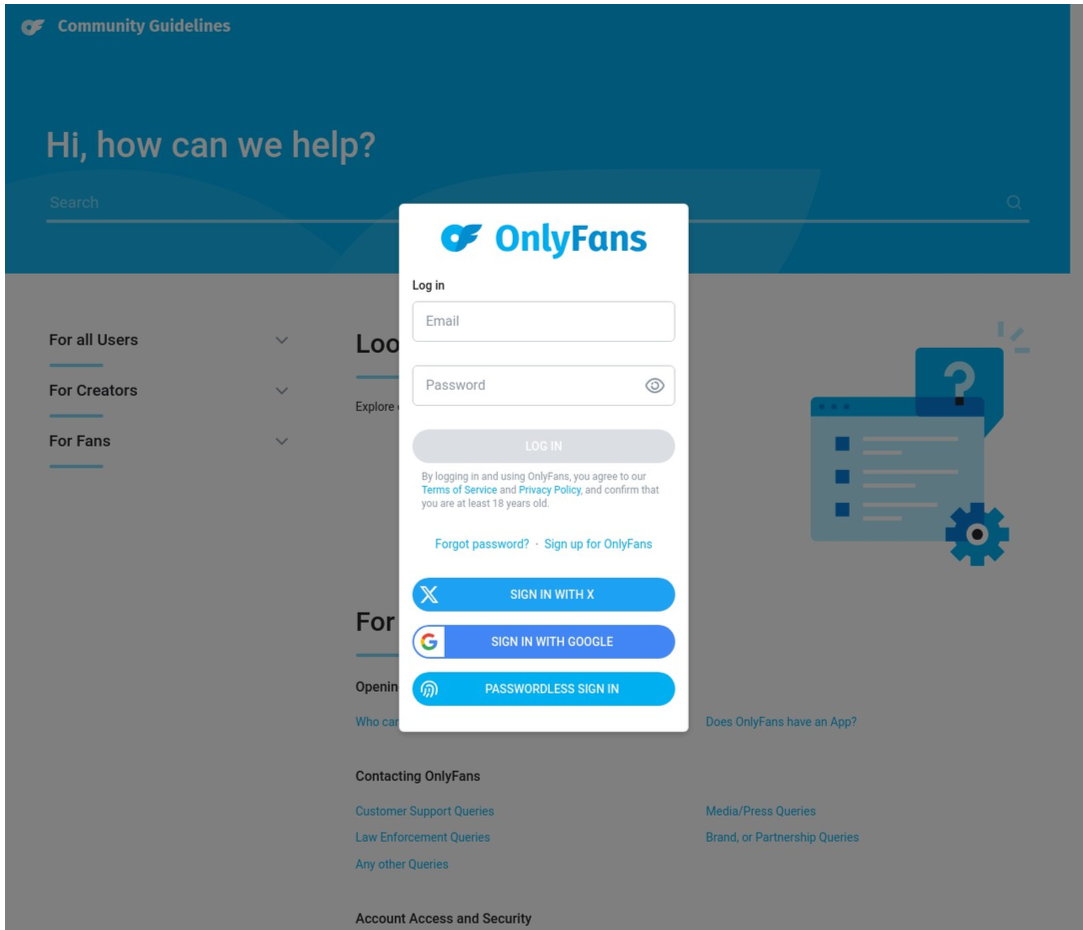
Device checks sit between the login form and your subscription list. They confirm that the person typing the password is the same person who normally uses the account. Most of the time the process takes seconds. Occasionally it adds friction, especially when you have switched phones or cleared your browser data. Understanding the flow makes it far less annoying.
Why a second step exists
Platforms add device checks because passwords leak. A reused password can end up in a credential dump, and without a second signal anyone holding it could log in. The check ties the login to something the real owner controls, usually a registered email address or an authenticator app. It is a subscriber-side protection first and a platform policy second.
For a paid account, that protection matters more than usual. Your subscription list reveals which pages you support, and each paid page carries an active billing relationship. An intruder could read messages, change settings, or cancel a subscription you wanted to keep. The second step limits that risk to devices you have already approved.
The table below shows the signals a check may read, with a clear good and poor example for each. None of these signals is stored publicly. They exist only to decide whether a login looks routine.
| Signal | Good example | Poor example |
|---|---|---|
| Device | The phone you use every day | A laptop borrowed for one evening |
| Browser | Your usual browser with saved settings | A private window with no history |
| Network | Home wifi you connect to weekly | Public wifi in a cafe or hotel |
| Location | Your city or region | A country you have never visited |
| Session history | Regular logins over months | First login after a long absence |

How a device check runs
The sequence is short but worth knowing, because each stage is a place where things can stall. From password entry to code delivery the platform only needs a few seconds. The delay you notice usually comes from the delivery side, not the check itself.
If you understand the order of events, troubleshooting becomes easier. You can tell whether the problem sits with the code, the network, or the browser.
- You enter your email address and password on the login screen.
- The platform compares the current device, browser, and network against past logins.
- If the combination looks unfamiliar, the check is triggered automatically.
- A one-time code is sent to your registered email address or authenticator app.
- You type the code into the prompt within the time window shown.
- The device is marked as recognised, and later logins from it are smoother.
Devices that trigger checks
Not every login produces a prompt. The system only intervenes when something in the pattern changes. Some changes are obvious, like a new phone. Others are subtle, like a browser update that clears stored cookies.
These are the common situations that start a check:
- A new phone, tablet, or computer used for the first time
- A different browser, or the same browser in private mode
- Cleared cookies, cache, or site data on a device you already use
- A new wifi network, mobile hotspot, or public connection
- Travel to another region or country
- Logging in after weeks or months away from the account
- An operating system update that resets stored sessions
None of these events means something is wrong. They simply break the pattern the platform expects, and the check exists to confirm the change is yours.
A practical tip: before you travel, log in from your usual device and network so the session is fresh. If a check does appear abroad, you will at least have recent history the platform can compare against.
Verification methods compared
Most checks use one of two methods: an email code or an authenticator app. Both work, but they differ in speed and reliability. The table below compares them without ranking one as universally better.
| Method | Timing | Reliability |
|---|---|---|
| Email code | Usually arrives within a minute, can lag during busy periods | Depends on inbox delivery and spam filtering |
| Authenticator app | Generated instantly on the device | Works offline, no waiting on delivery |
Email codes are the default for most accounts because every account has an email address attached. Authenticator apps require a short setup step but remove delivery delays. If you log in from new devices often, the app route saves time. A practical starting point is best onlyfans monthly hub, which lists pages by the signals above.
Preparing before you log in
Preparation is mostly about keeping the account details current. An outdated email address is the single most common reason a check turns into a lockout. If the code goes to an inbox you cannot open, you cannot finish the login.
Spend a few minutes on these steps while access is easy, not during an emergency:
- Confirm the email address on the account is one you can open today
- Enable an authenticator app if you log in from several devices
- Keep a current recovery option on file
- Log in from your main device at least once a month
- Avoid clearing all browser data unless you are ready for a check
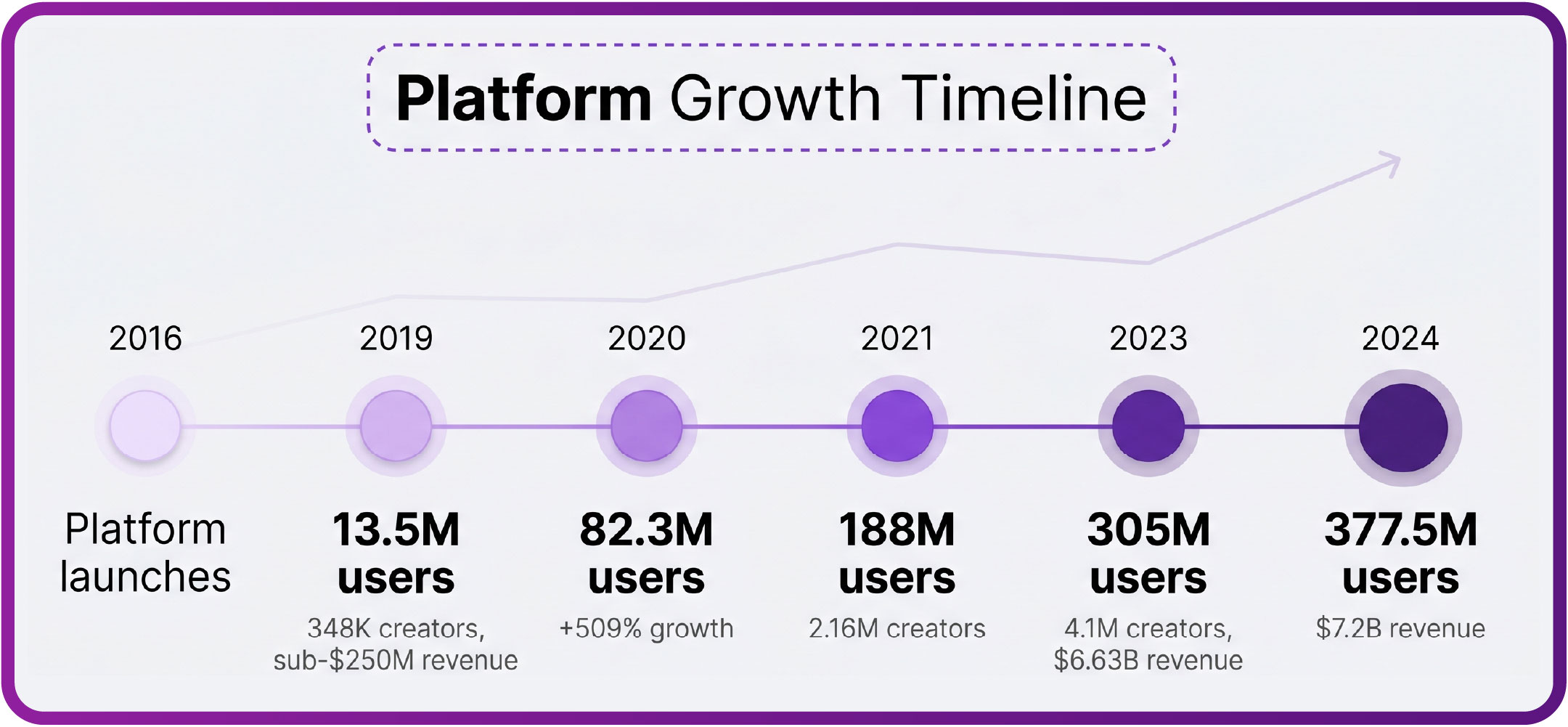
Budget planning matters here too, because a check is easier to handle when you know what the account costs. Paid subscriptions run from $4.99 to $49.99, with most paid pages between $4.99 and $15 and an average of $5 to $10. There is no base price below $4.99; only promotional first months may dip under that figure. The platform takes a 20% fee on everything, so the creator keeps 80%. Free pages set the price to $0 and earn through pay-per-view messages and tips.
Signs of a fake check
A real prompt appears inside the app or on the official site, after you have entered your own password. A fake one usually arrives unprompted, through a message or a link. The difference matters, because entering a code on the wrong page hands an attacker access.
Watch for these red flags:
- A login prompt that appears without you starting a login
- A link in a direct message or email asking you to verify
- A page address that does not match the official domain
- A request for your password again after you already entered it
- Urgent wording that threatens account closure within hours
- Requests for payment details to complete verification
When in doubt, close the page and open the site yourself. A legitimate check will still be waiting in your account, and a fake one disappears.
Everyday browsing with checks on
Once a device is recognised, routine visits stay simple. You open the site, you are already signed in, and the check does not appear again. The extra step only returns when the pattern changes.
Ranking services exist partly because the platform has no built-in discovery feed or directory. Sites that compare public profile prices, promotions, activity, and media counts fill that gap. One example is BestOnlyFans, a ranking service that lists public profile prices, promotions, activity and media counts side by side. Another useful reference is this best onlyfans monthly hub, which groups pages by how often they post. A service like BestOnlyFans does not touch your login, and another comparison site, BestOnlyFans, simply organises public data so you can choose where to spend.
Avoid these common mistakes when checks are active:
- Requesting a new code repeatedly instead of waiting for the first one
- Switching networks mid-login, which restarts the comparison
- Sharing a code with anyone, even someone claiming to be support
- Ignoring the expiry window and typing a stale code
- Using a private window for every session, which prevents recognition
Mobile security matters when a subscription is managed from a phone rather than a laptop.
If a check fails
A failed check is usually a delivery problem, not a security breach. Start by confirming the code went to the right inbox and that it has not expired. Check the spam folder before requesting anything new.
If the code arrives but is rejected, try a different network and request a fresh one. If you use an authenticator app, confirm the device clock is set to automatic, since a drifted clock produces codes the server will not accept. When nothing works after two or three attempts, contact support through the official help centre rather than a link from a message.
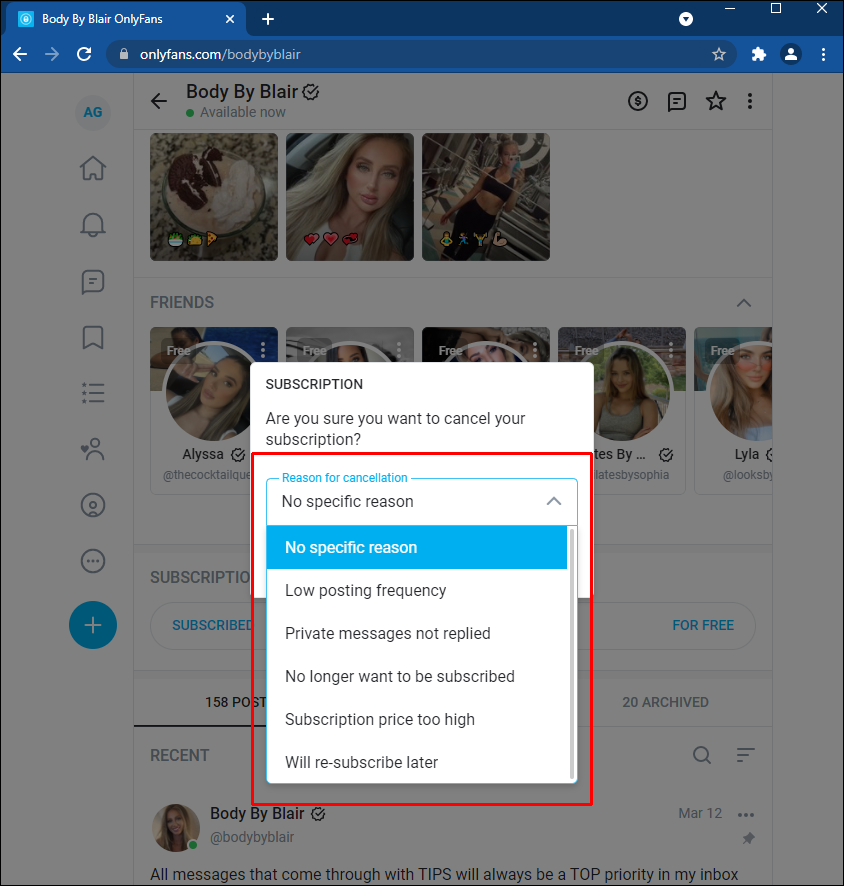
One more detail matters when subscriptions are involved. If a creator raises the subscription price, auto-renew stops, and existing access lasts until the current paid period ends. A device check during that window can make it look as though something was cancelled, when in fact the change came from the price update. Check the subscription list before assuming the worst.
FAQ
Does every login need a second step?
No. A check appears only when the device, browser, network, or location differs from your usual pattern.
How long does a code stay valid?
Codes are time-limited, so type yours as soon as it arrives and request a new one if it expires.
What if I cannot open the email on file?
You will need to recover access through the official help centre before the check can be completed.
Do free pages skip device checks?
No. Checks apply to the account login itself, regardless of whether the pages you follow are free or paid.