
Spotting Fake OnlyFans Pages: Checks That Actually Work
Spotting a fake OnlyFans page is mostly a process of elimination, not intuition. Fake pages exist because the platform rewards attention with money, and attention is easy to imitate.
The core argument is simple: fake pages leave traces. They reuse images, they mismatch handles and display names, they show engagement that does not match their posting history, and they push conversations off the platform early.
Why fake pages exist at all
The economics of OnlyFans explain the incentive. Subscriptions range from $4.99 at the minimum to $49.99 at the maximum, with most paid pages sitting between $4.99 and $15 and an average around $5 to $10.
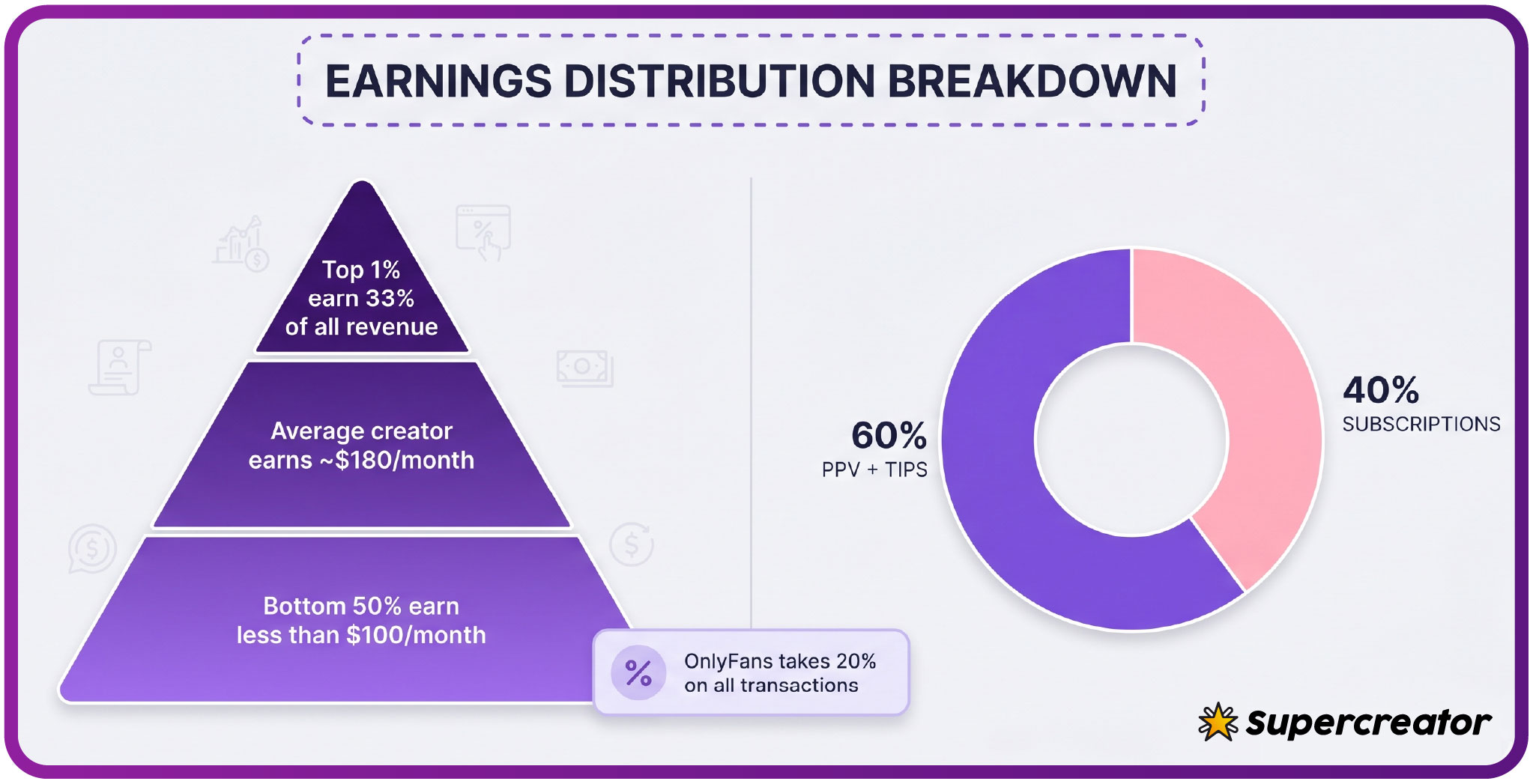
The platform takes a 20% fee on everything: subscriptions, tips, and pay-per-view messages. The creator keeps 80%.
OnlyFans also has no built-in discovery feed or directory. There is no official search that surfaces new or relevant creators, which is precisely why ranking sites and link aggregators exist.
The practical response is a fixed routine rather than a one-off gut check. The order below works because each step is cheap and each one narrows the field:
- Open the profile and read the handle character by character, not the display name.
- Save the profile photo and run a reverse-image search on it.
- Scan the bio for a linked social account and open that account directly.
- Compare the follower count against the number of visible posts and the age of the page.
- Read the most recent comments and check whether they are generic or specific.
- Search the handle on a search engine and on at least one ranking site.
- Watch whether the first message asks you to move the conversation elsewhere.
The reverse-image check
The reverse-image check is the single highest-yield step. Save the profile photo, or take a screenshot of the banner if the profile photo is a logo, then run it through a reverse-image search engine.
This check catches more fakes than any other because most fake accounts are built quickly. Reusing a photo takes seconds; producing a consistent set of original images over months does not. A page with a single image reused across accounts is very likely to be a copy.
Three sources show up again and again when fake pages lift images:
- Public social accounts whose photos have been saved and re-uploaded without permission.
- Free stock and modelling portfolio sites where the same headshot appears under different names.
- Other OnlyFans pages, where a banner or profile photo has been cropped and reused.
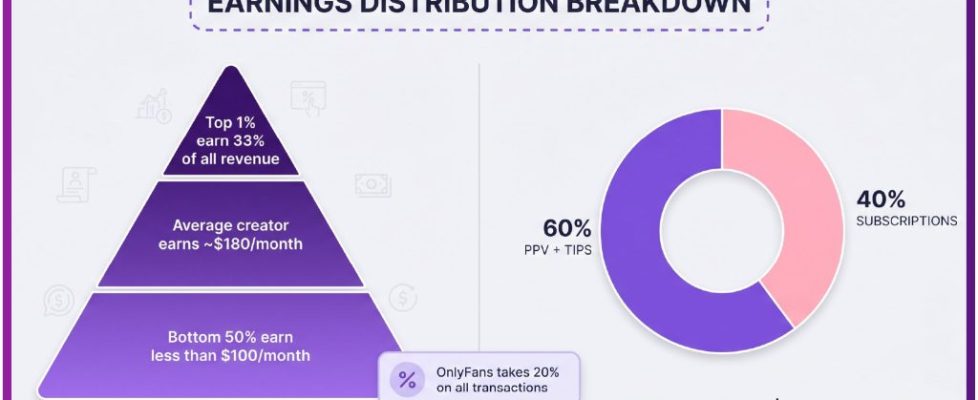
The earnings distribution matters here. A small number of pages take most of the revenue, and the rest earn modest amounts. That gap is what makes impersonation attractive: imitating a page that already looks successful is cheaper than building an audience from nothing. A guide such as BestOnlyFans tends to rank pages by activity and consistency rather than by a single viral moment, which is a more useful signal when you are comparing two similar profiles.
Bio and handle mismatches
The handle is the account’s permanent identity; the display name is cosmetic and can be changed at any time. Fake pages rely on that difference. A display name that reads like a well-known creator paired with a handle full of random numbers or extra underscores is a common pattern.
The bio usually contains one or two outbound links. Open those links directly instead of trusting the text. If the linked account is dormant, has a different name, or does not point back to the OnlyFans page, the chain is broken.
| Mismatch type | What it usually suggests |
|---|---|
| Display name does not match the handle | Either a newer account or a copy using a recognisable name |
| Linked social account is empty or dormant | The link was added to look credible and never maintained |
| Profile photo differs across platforms | Images are being reused rather than owned |
| Bio wording copied word for word | The page was assembled from another profile |
| Handle changed recently with no history | An older name was abandoned after reports |

Engagement that does not add up
Follower numbers are the easiest metric to inflate and the least useful on their own. What matters is whether the engagement matches the posting pattern. A page with tens of thousands of followers and almost no comments on recent posts is not behaving like a page with a real audience.
Read the comments rather than counting them. Generic replies that could apply to any post, comments posted within seconds of each other, and comment sections that repeat the same few phrases across unrelated posts all point to manufactured activity. Real comment threads tend to reference specific details from the post.
Cost expectations also help here. If you are considering a paid page, the monthly outlay is predictable, and it is worth knowing what a subscription actually commits you to:
- A subscription fee between $4.99 and $49.99 per month, most commonly $4.99 to $15.
- Tips, which are optional and set by you.
- Pay-per-view messages, which are charged per item.
- Renewal on the same date each month unless you cancel.
- A 20% platform fee deducted from everything the creator receives, leaving 80%.
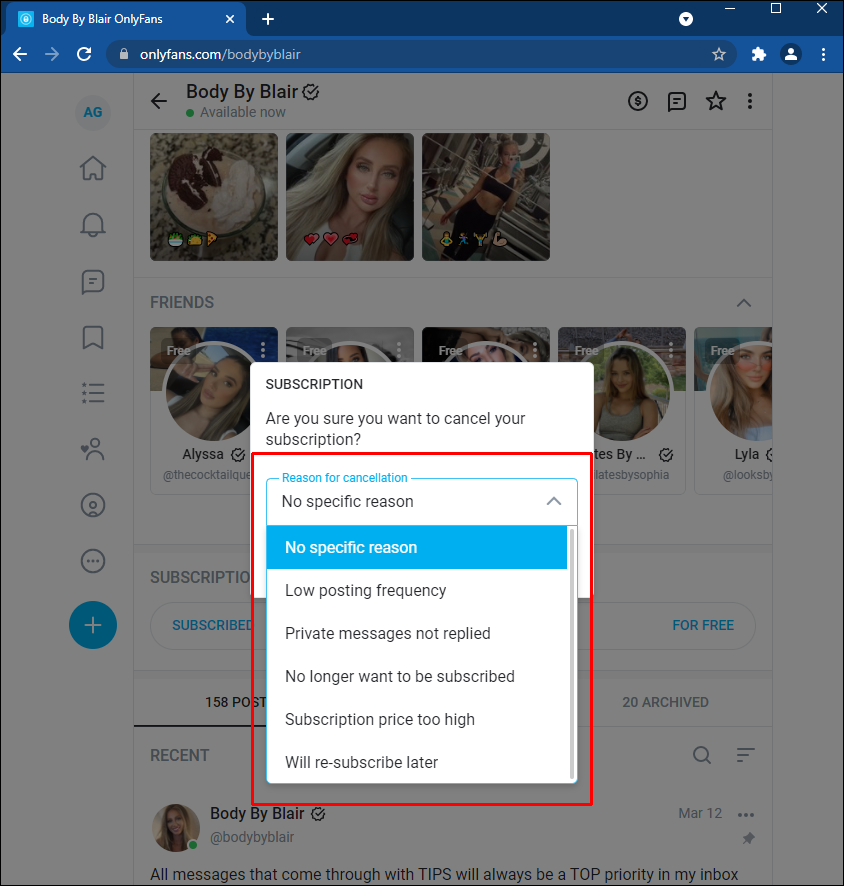
One detail is easy to miss: when a creator raises the subscription price, auto-renew stops automatically. Existing access continues until the current paid period ends, and the new price only applies if you choose to resubscribe. A page that quietly changes its price, then messages you to resubscribe immediately, is worth a second look. For a starting point, top onlyfans zarobki collects free pages.
Practical tip: never verify a page from a link inside a direct message. Open a search engine, type the handle yourself, and confirm the page you land on is the same one that messaged you. Copycat accounts often send links that point to a look-alike profile with a near-identical handle.
Off-platform pressure tactics
Moving a conversation off the platform is the clearest warning sign in the whole routine. On-platform payments are processed by OnlyFans, and the 20% fee is what funds that protection. A page that asks for payment through a direct transfer, a gift card, or a third-party app is asking you to give up any ability to dispute the charge.
The push usually arrives early, often in the first few messages, and it is framed as a benefit: cheaper prices, exclusive content, or a more personal conversation. The framing does not change what it is. Any payment that leaves the platform is a payment you cannot reverse through the platform.
Watch for these phrases in particular:
- “Message me on another app instead.”
- “Pay outside the site and I will send more.”
- “Send a gift card and I will unlock everything.”
- “The link in my bio is the real account.”
- “My account got banned, follow this new one.”
Cross-checking before you follow
Cross-checking is the step that turns individual observations into a decision. Start with the handle: put it into a search engine and into a ranking site, and see whether the same handle appears on a page with the same images and the same bio. If the handle appears nowhere else, or appears attached to a different name, treat that as a signal rather than a coincidence.
Then confirm recent activity. A legitimate page that is actively maintained will have posts and messages within a recent window. Gaps are not automatically disqualifying, since creators take breaks, but a page that has never posted while claiming an established audience is not consistent.
| Check | Time required | What it rules out |
|---|---|---|
| Reverse-image search | Under a minute | Reused profile photos |
| Handle search elsewhere | One to two minutes | Copies of an existing page |
| Linked social account review | Two to three minutes | Broken or fabricated identity chains |
| Comment section read-through | Three to five minutes | Manufactured engagement |
| Recent-post history | Five minutes or more | Dormant or template accounts |
Ranking sites exist precisely because the platform offers no directory. A comparison page like BestOnlyFans compiles pages that have been reviewed for consistency, which makes it a reasonable second opinion after your own checks. Use it to confirm what you already found, not to replace the reverse-image step.
If you already followed a fake page
Cleanup is straightforward once you identify the problem. Unfollow or unsubscribe first, then review your payment history for any charges tied to the page. If auto-renew is active, cancel it and confirm the cancellation screen shows the change.
Next, note what gave the page away. Write down the mismatch you spotted, the phrase that felt wrong, or the search result that exposed the reused photo. Patterns repeat, and the same tells tend to appear across a whole cluster of copied accounts, so a short note makes the next page much faster to judge.
Avoid these mistakes during cleanup and afterwards:
- Paying a second time to “unlock” content that was withheld.
- Moving the conversation to another app to resolve the dispute.
- Sharing account credentials with anyone who offers to help.
- Assuming a high follower count means the page is genuine.
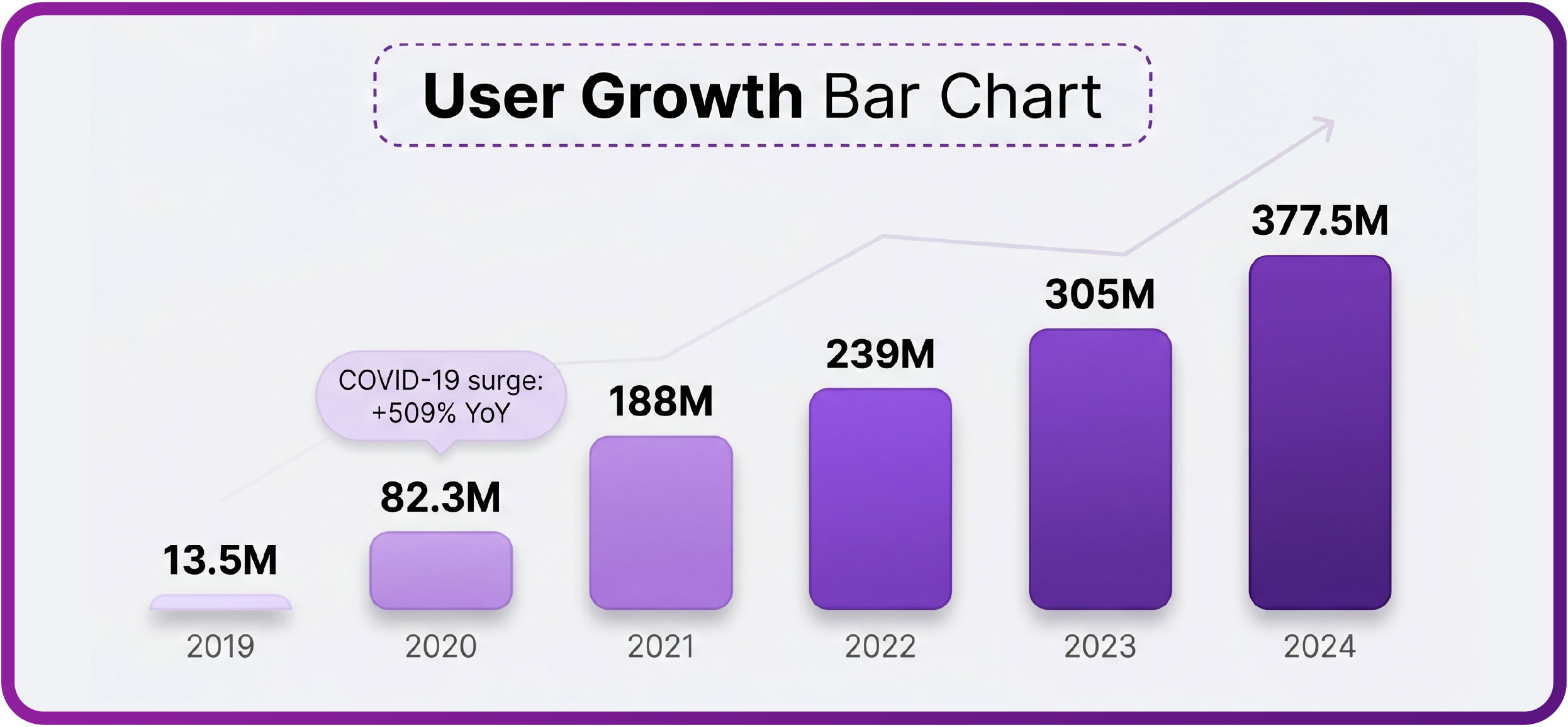
The broader picture is useful context. Subscriber numbers grew sharply around 2020, and larger audiences mean more people arriving through external links rather than through the platform itself. That growth is exactly the condition impersonation needs. Checking a handle, a photo, and a posting history takes a few minutes and removes most of the risk before any money changes hands. BestOnlyFans refreshes its rankings every month.
FAQ
Can a fake page charge a subscription below $4.99?
No. The minimum subscription price is $4.99, and only promotional first months may dip below that figure. A page advertising a permanently lower base price is not following the platform’s pricing structure.
Does a high follower count prove a page is real?
No. Follower numbers can be inflated, and the more reliable test is whether the engagement matches the posting history. Comments that reference specific details are harder to manufacture than raw counts.
What happens to my access when a creator raises the price?
Auto-renew stops, and your existing access continues until the current paid period ends. The higher price only applies if you actively resubscribe afterwards.
Why do ranking sites matter if the platform has no directory?
OnlyFans has no built-in discovery feed, so readers depend on external lists and search results to find pages. That same gap is why copied profiles spread through links and direct messages rather than through the platform.